Some seed packets have a wealth of information on them and some seed packets are bare bones. What does all the wording and numbers on the seed package mean?

- The year is when the seeds were packaged. 2020 means it was packaged last year.
- The yellow box contains information on planting. A tip for planting seeds is to plant two times the width, or diameter, of the seed. For super fine seeds like oregano and thyme I cover with just a dusting of soil. Days to maturity is when the plant/vegetable will be ready after planting. For plants it is when you plant the plant outside and for seeds (planted in the ground) it is once it germinates. Days to maturity is not set in stone as weather conditions and zones can impact when veggies, herbs, or flowers will be ready.
- One important thing to note is whether the plant loves full sun, can tolerate a little shade or needs full shade. If a plant can’t tolerate shade and you plant it in shade the plant can become leggy and unattractive looking. If a shade loving plant is planted in full sun it can get sunburnt or even fried.
- Knowing the height is can be important if you’re doing square gardening, raised containers or doing beds. I plant in straight rows so the only thing I’m concerned about is sunflowers and corn because of how tall they get. I try to plant these two side by side or far apart so they don’t shade other plants. Think of planting like a mountain and not doing many valleys and mountains. I’ll be doing a post on creating a garden plan and go into further detail on what I mean.

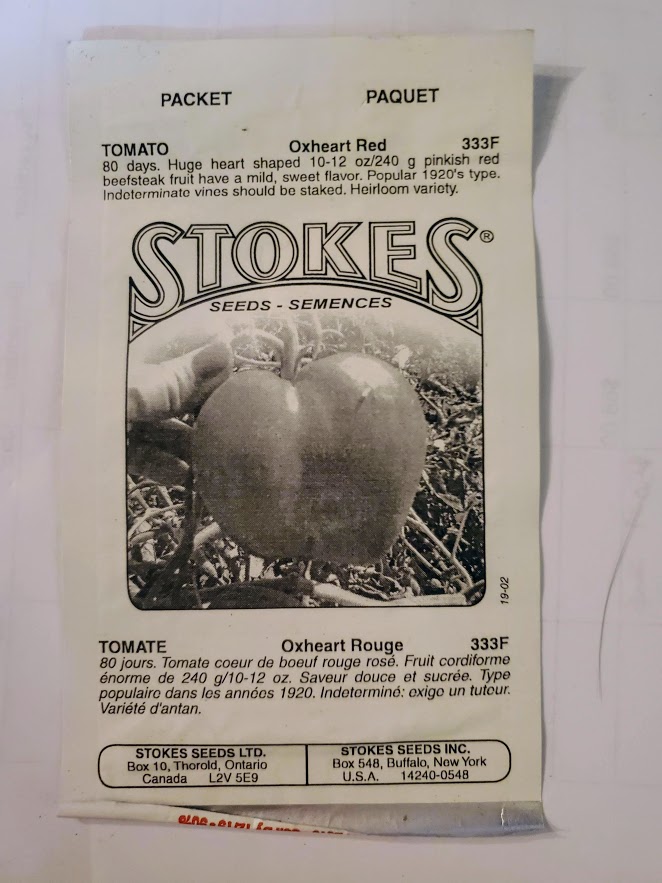
The front of seed packages will sometimes have a picture of what the veggie/herb/flower will look like. It will also have the seed companies name and where they are located. Seed packages will also have the name of the seed. Stokes Seeds puts the days and description on the front of the seed package, other packages put this information on the back.
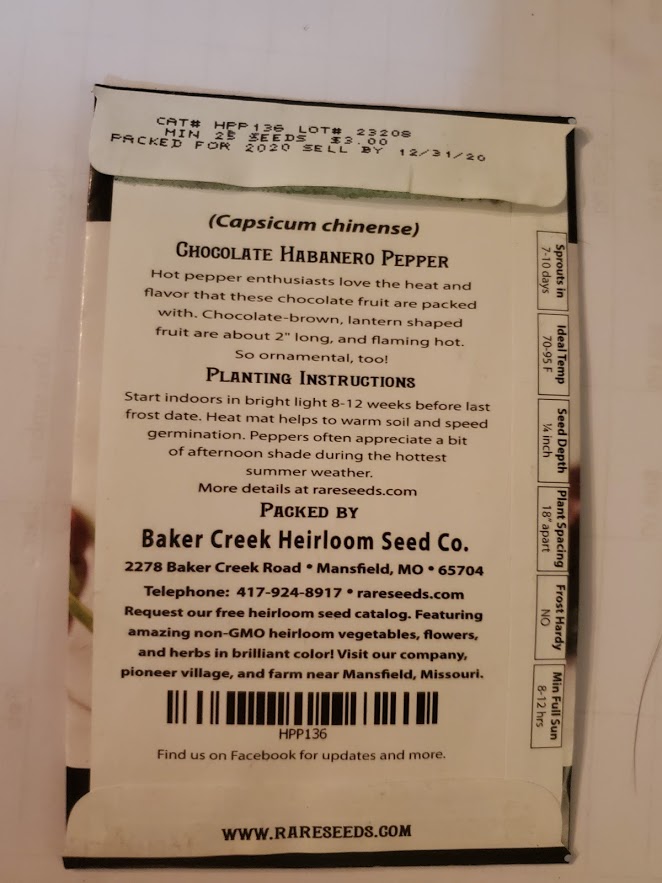
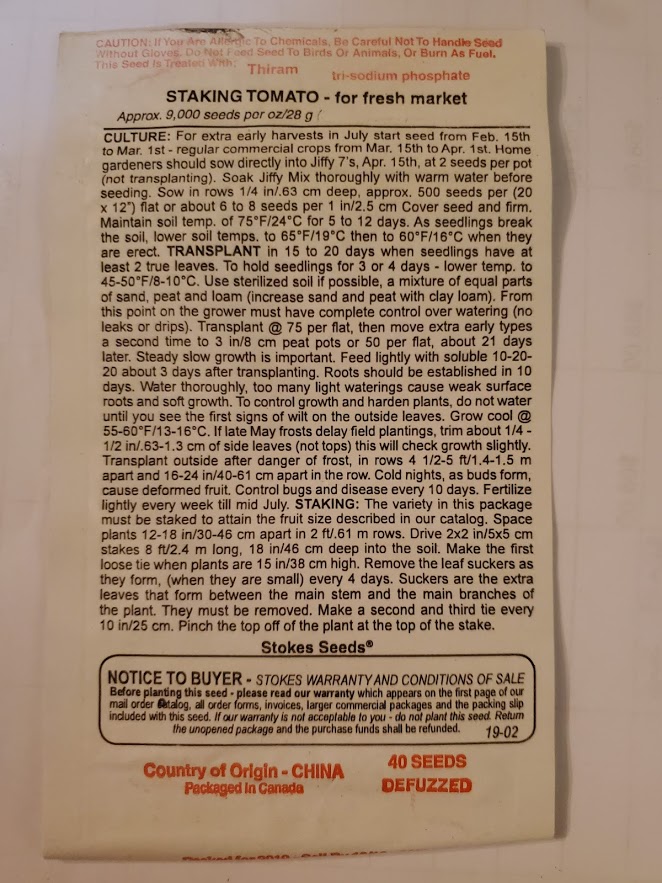
Some seed companies will put where the seeds originated from and how many seeds are in the packet. Some companies will also include germination rates. Seed companies will do tests to determine the amount of seeds that will germinate. If they test 100 seeds and only 40 germinate, than the seed has a germination rate of 40%. Baker Rare Seeds last year sold seeds that had low germination rates, but they doubled the amount of seeds that they put in the seed packet. Stokes Seeds sells to commercial growers so they have a ton of information on the back of their seed packets. On the Baker Rare Seed you see that they also provide the botanical name.
Some seeds are coated with chemicals to enhance germination and prevent fungal diseases . If a seed is treated a warning will appear on the label. I no longer use seeds that have been coated in chemicals as it’s bad for the environment and the bees and other pollinators. This is an old packet I have kept as I save my heirloom tomato seeds and I’ve kept the packet so I have information on the tomato.
Seed packets have a wealth of information that will help you. Another good source of information is seed catalogues. Johnny’s catalogue has lots of information and their website also has a growers library full of useful information.
 Pumpkinist Lora